The minimalist sourcing strategy
I am a man of intention when it comes to acquiring clothing. I take the time to figure out exactly what I need, but once the decision is made, the actual purchasing process is highly efficient. I want exactly as much clothing as I need and not a single thread more.
I have zero tolerance for “what if” shopping — those speculative purchases for hypothetical events that will likely never happen.
The lifecycle of a garment
Once an item makes it into my rotation, it is there for the long haul. I don't just wear my clothes; I wear them until the very end. I expect my gear to perform, and I will extract every ounce of utility out of it. And to be honest, I'm just too lazy to do shopping.
The domestic friction
Unsurprisingly, my wife does not entirely agree with this lifecycle model. Our wardrobe discussions frequently revolve around her suggesting that I need to renew my items much more often. She is quick to point out the declining quality and structural integrity of my favorite, heavily used pieces, making the completely valid point that wearing something until it disintegrates isn't necessarily optimal.
The Okinawa incident
This philosophical difference came to a sudden head recently during a hike in Okinawa. Right in the middle of our trek, my absolute favorite pair of Teva sandals decided they had finally had enough and completely fell apart.
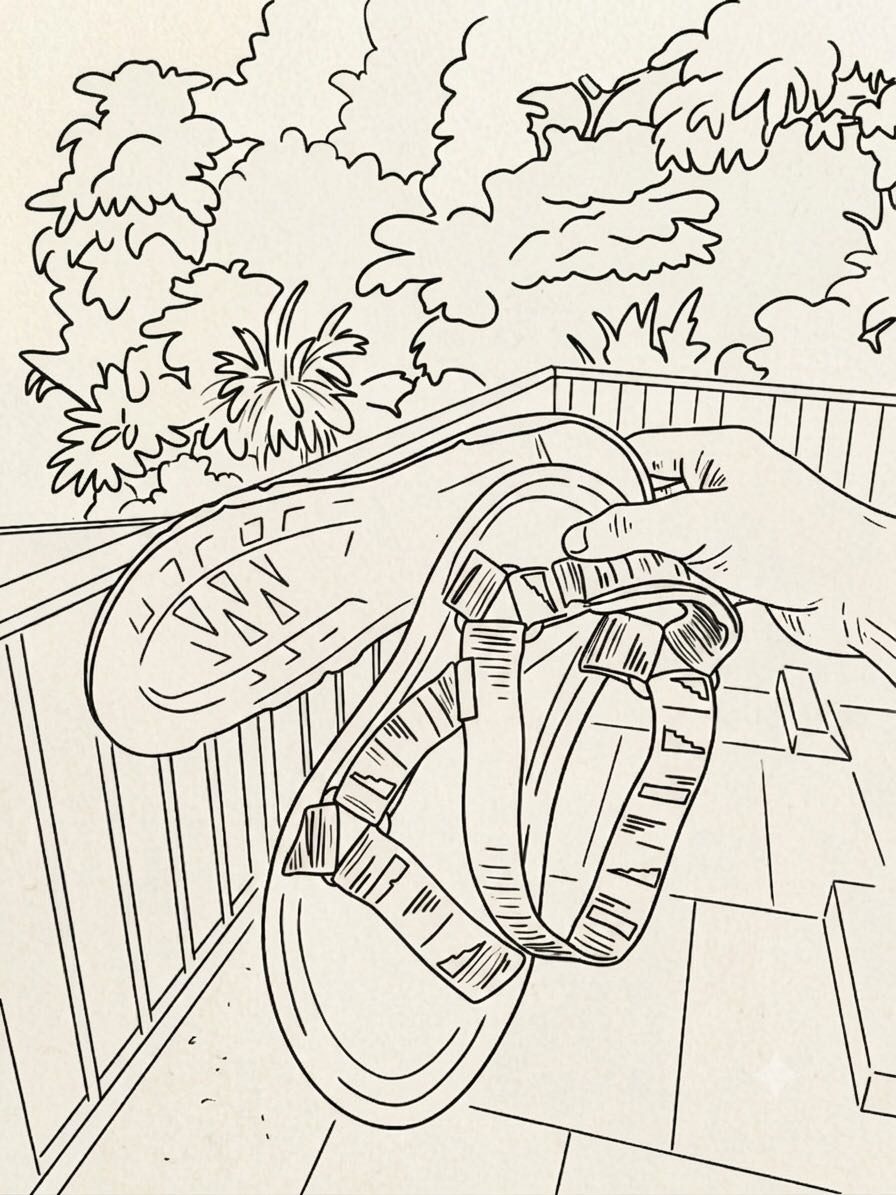
Naturally, my wife had warned me about their impending doom and had told me to buy new ones multiple times before the trip. She was right, and the result was an undeniable failure of my current wardrobe management system. It was "I told you so." moment.
A deterministic solution
Sitting with my destroyed sandals, I realized this wasn't a fashion problem — it was a tracking and predictive maintenance problem. I knew I could fix this deterministically.
That is how Wears & Tears was born.
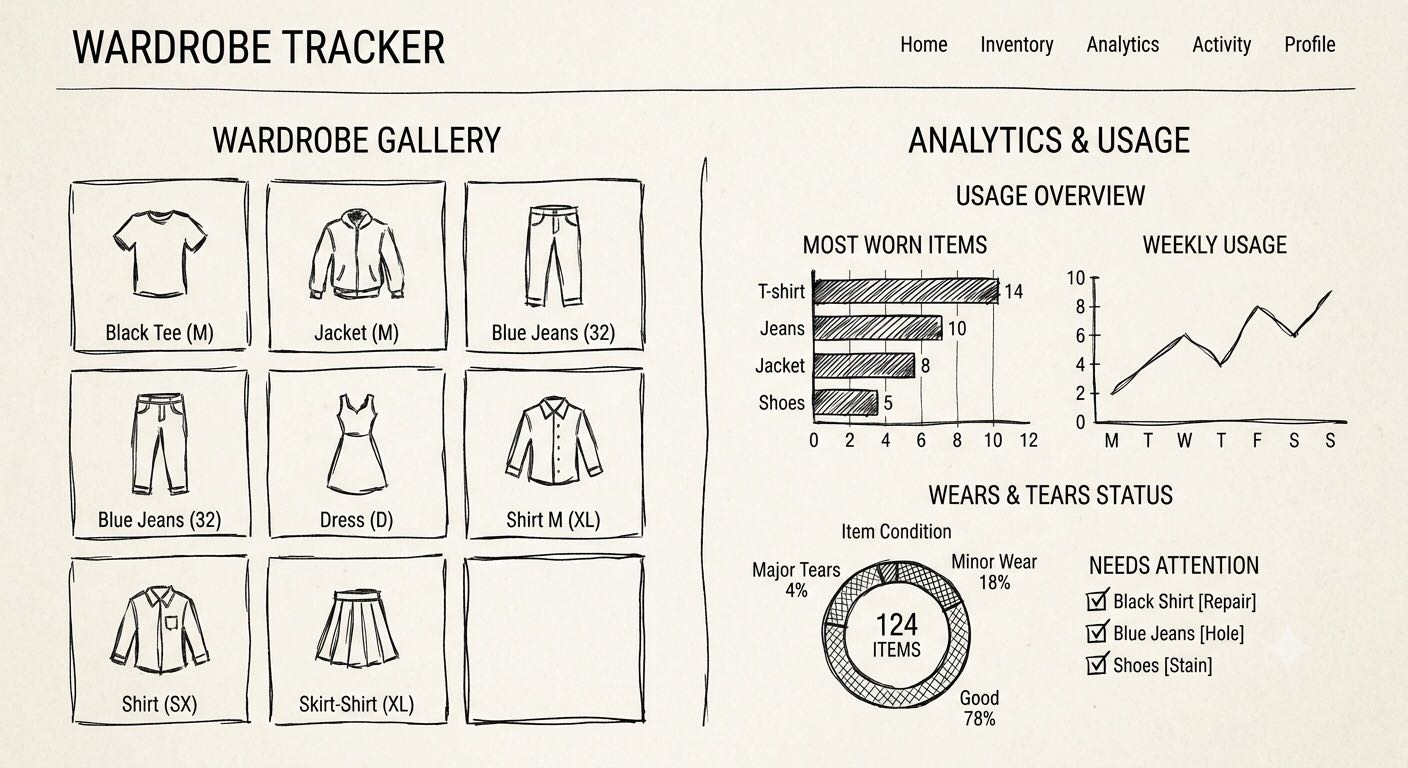
Instead of relying on subjective opinions about when a shirt looks “too old,” I built an application to track wardrobe lifecycles using hard data and quality metrics with AI. It goes beyond just digitizing a closet:
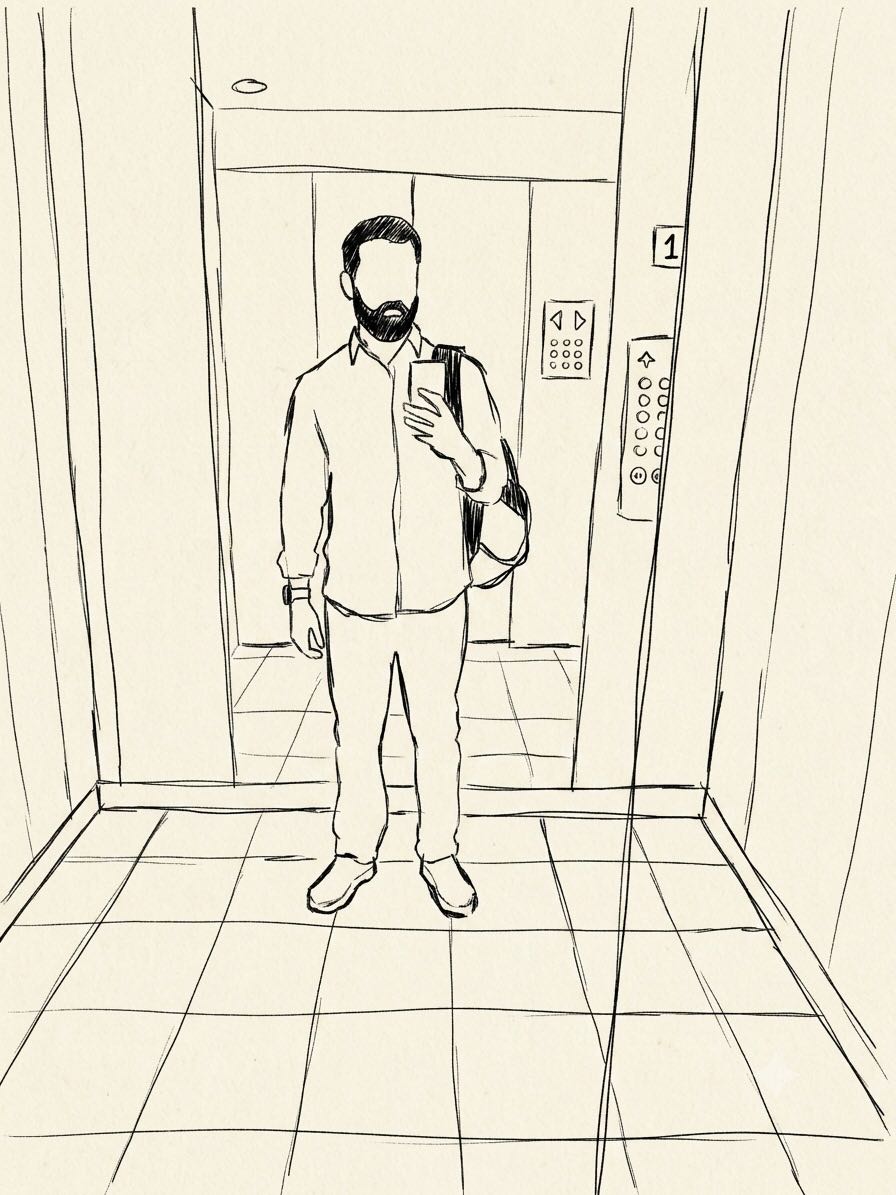
- Daily input: you simply take a quick daily selfie.
- Vision matching: the AI matches what you are wearing against your wardrobe database.
- Usage tracking: it logs the wear count and calculates depreciation.
- Alerts: it tells you exactly when an item is overused and it is time to update.
The data-driven closet
No more guessing, no more domestic debates, and no more catastrophic footwear failures on a trail. Right now, my favorite jeans are officially on the clock: they have a hard expiration limit of 4 years or 200 wears.